resPOND logo
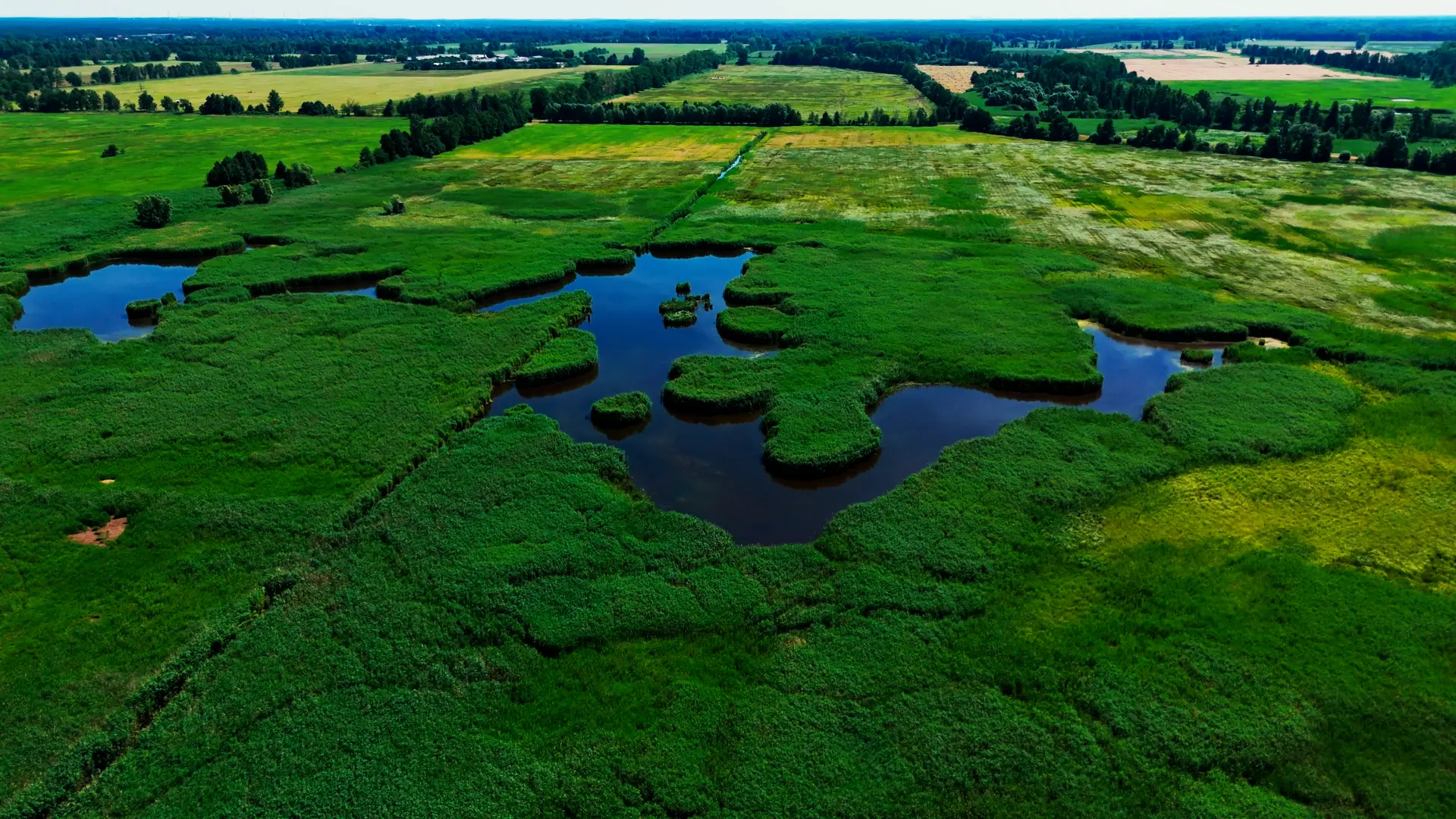
Restored European peatland at dawn
Water Knowledge

Understanding Europe’s Water reality.

A working briefing for risk managers, sustainability leads and finance teams. Where Europe stands on Water, what Nature-Based Solutions are, and what regulators and peers are already doing.

Why this matters now

The world has entered a Water bankruptcy.

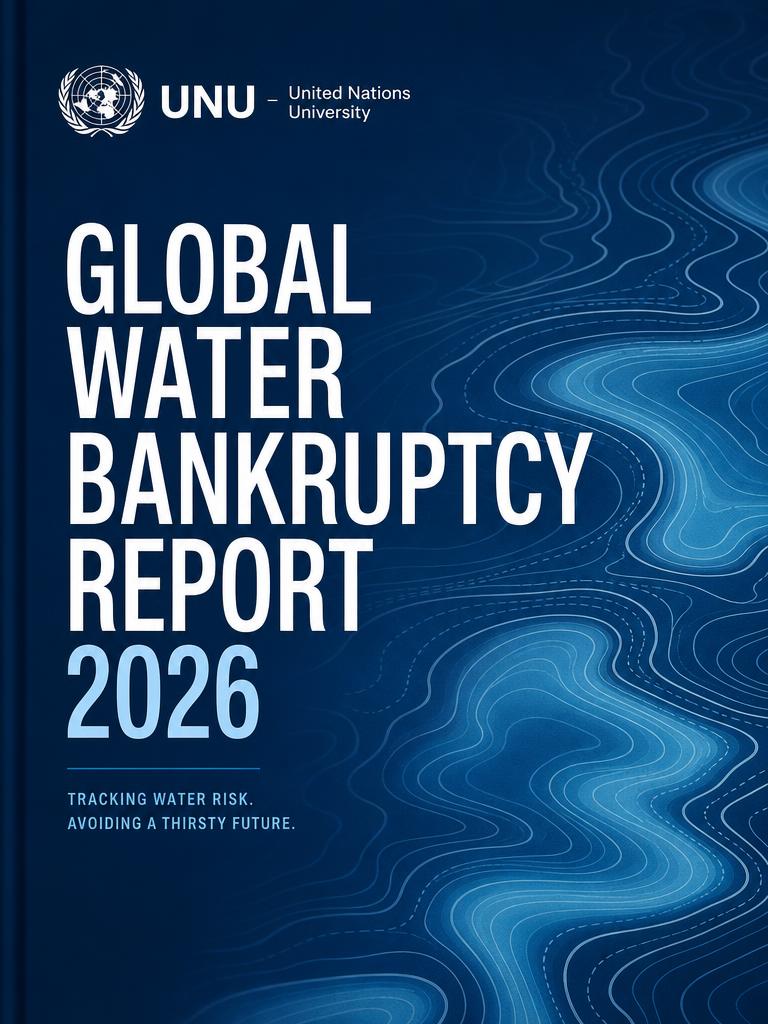
Cover of the UN University Global Water Bankruptcy Report 2026

In early 2026, the United Nations University released the Global Water Bankruptcy Report - and the title is not a metaphor. For the first time, a UN body describes humanity as withdrawing more Water than the planet can repay, with Europe sitting squarely in the red. Whilst droughts, floodings and limitations are not new, the assessment is crystal clear: Water stress is becoming the biggest risk to people, ecosystems and economies alike. 

Aquifers are emptying faster than they recharge. Wetlands - our largest natural Water store - have lost more than half of their capacity. Storm and drought damages are climbing into territory insurers refuse to cover. The bill is no longer landing on governments alone; it lands on companies, supply chains and loan books.

This page is part of the working briefing we share with risk, finance and sustainability teams who want to understand where Europe stands on Water, what Nature-Based Solutions actually do, and how other companies are already positioning themselves.

Did you know?

Water bankruptcy is real... today.

Selected facts from public water-bankruptcy reporting, ECB / EEA scenario work and European water-stress assessments - weighted toward what shows up on corporate balance sheets.

760 million m³

Germany has lost roughly 760 million m³ of freshwater over the last 20 years – over 20 years this corresponds to the volume of Lake Constance.

GFZ Potsdam / NASA GRACE
~75%

of bank loans in the euro area are granted to companies that are highly dependent on at least one ecosystem service - including freshwater provision. Water and nature risk is now credit risk.

European Central Bank - Financial Stability Review
50-90%

of climate-driven Water damages in Europe are not insured - losses sit directly on corporate and public balance sheets.

Swiss Re Institute, sigma
1 in 3

Europeans now live in regions experiencing Water stress at least part of the year.

European Environment Agency
60%

of Europe's wetlands have been lost over the past century - the continent's largest natural Water store.

European Commission - Nature Restoration
7%

The carbon storage capacity of Central European peatlands decreases exponentially when they dry out. This turns CO₂ sinks into massive CO₂ sources, which account for 7% of total emissions in Germany.

German Environment Agency (UBA)

From tail risk to material risk.

Declining groundwater, climate-driven precipitation volatility and aging infrastructure are creating a structural Water deficit across large parts of Europe. For corporates with water-relevant operations, supply chains or loan books, this is now a material, reportable risk - and a competitive opportunity for those who move first.

Nature-Based Solutions

How Nature-Based Solutions build resilience

Nature-Based Solutions (NBS) protect, sustainably manage or restore ecosystems to address numerous societal challenges at once. In our case we focus on 3 at once: Water, Climate and Biodiversity.

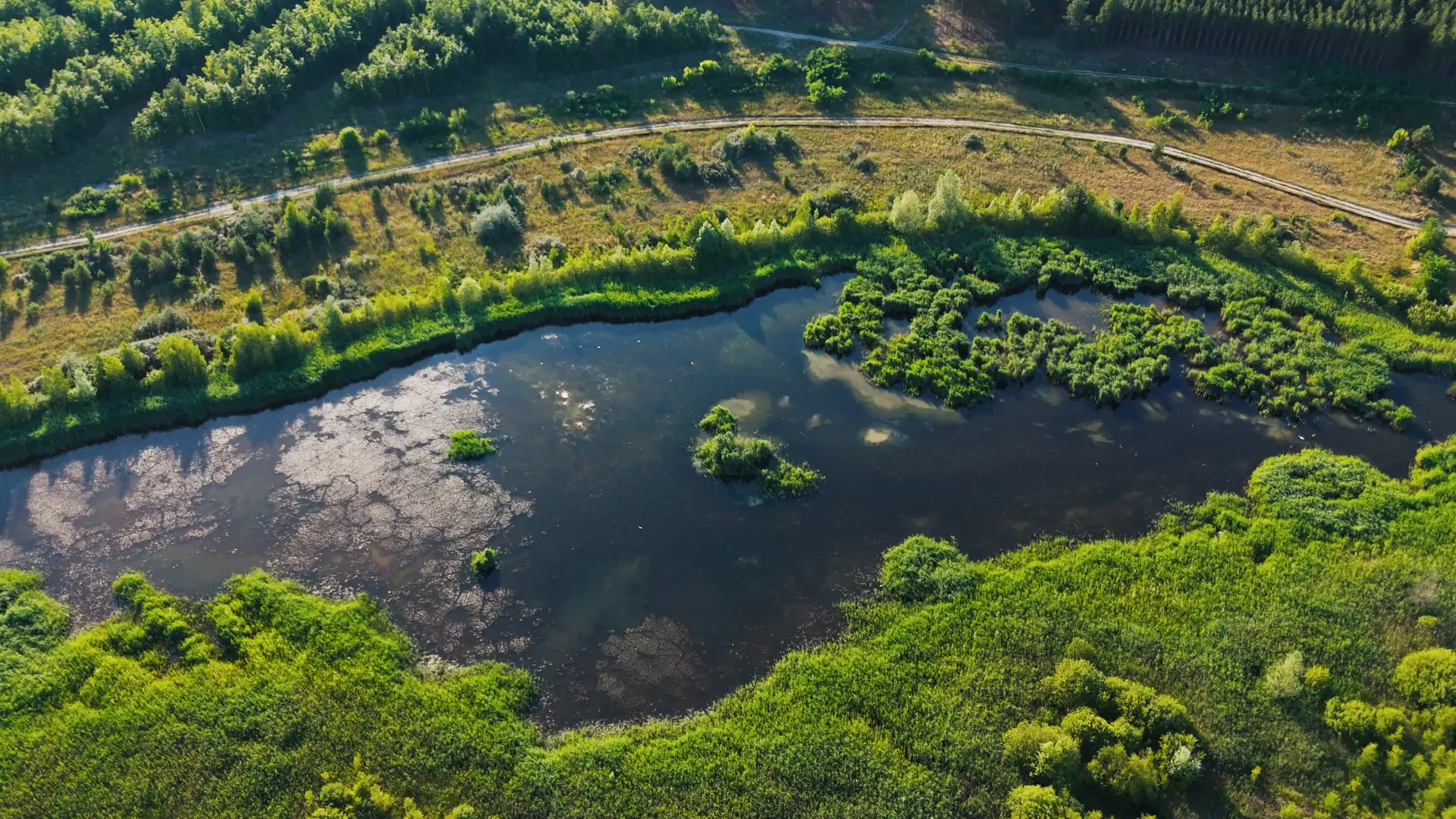
Restored peatland with small pools of Water
Peatland rewetting

Sponge landscapes that store and filter Water

Closing drainage ditches and raising Water tables to reactivate peatland functions. Each rewetted hectare stores enormous volumes of Water and carbon – addressing multiple crises simultaneously.

4REXAMPLE

A regional beverage company funds rewetting upstream of its bottling plant. The peatland stores significantly more Water in the catchment area (Resource) and buffers the risk of summer droughts and flooding in the region (Risk & Resilience) – while the general public benefits from improved climate, biodiversity, and Water (Responsibility).

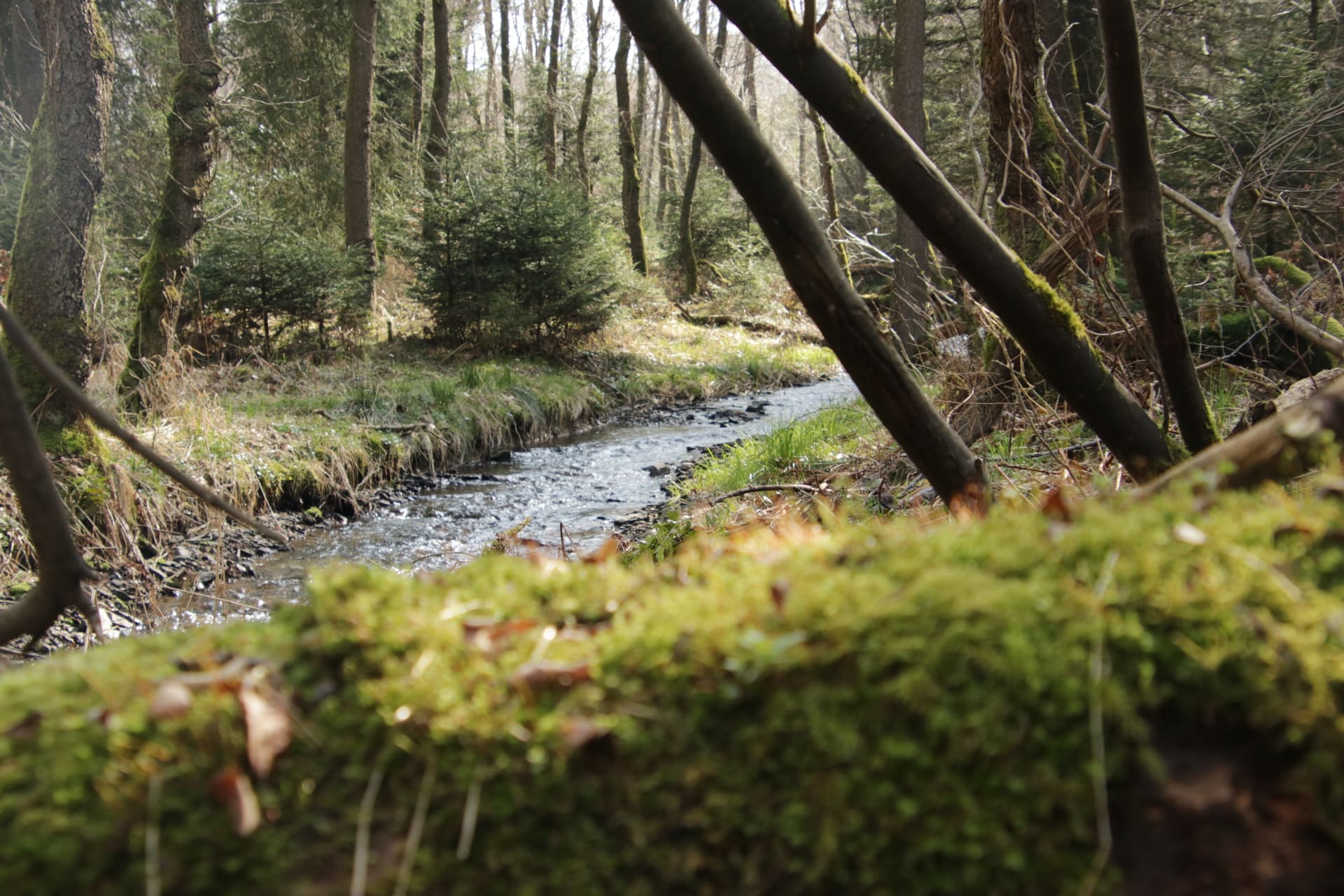
Mixed European forest with stream
SPONGE FORESTS

Forests designed to hold Water in the landscape

Converting monoculture stands into mixed forests, creating wet biotopes and riparian areas. Slower runoff, deeper infiltration, stronger groundwater recharge - and a biodiverse carbon sink adapted to climate stress.

4REXAMPLE

A European data-centre operator converts a nearby spruce monoculture into a mixed sponge forest. Groundwater recharge stabilises, permits are not at risk (Risk), the site can plan for Water in the long term (Resource) and contributes to protection against erosion and flooding (Resilience & Responsibility).

Benefits of every resPOND NBS project

Climate

CO₂ sequestered and carbon stored by functioning ecosystems like forests or peatlands.

Biodiversity

Species recovery and protection of certain species, aligned with the EU Nature Restoration Law targets.

Soil & Air

Improved soil moisture, filtration capacity, reduced erosion, regional cooling effects.

Flood buffering

Natural flooding areas and reduction of peak runoff in risk regions.

Use cases & regulation

What others are already doing.

Public examples of corporates pricing Water risk into their operations - and the European regulations that are making this disclosure mandatory.

Sector use cases

Data centres & tech

Hyperscalers (AWS, Microsoft, Google) have published water-positive commitments. Watershed restoration is now a standard component of new-site approval in water-stressed regions.

Industrial manufacturing

Chemical, automotive and semiconductor sites face permit risk where cooling-water availability is no longer guaranteed. Source-water protection is moving from CSR to operations.

Food & beverage

Major beverage and dairy companies report Water replenishment volumes against operational withdrawal - a model directly compatible with verified m³ benefits.

Real estate & infrastructure

Flood-prone asset classes face rising insurance premiums and ESG scrutiny. Nature-based catchment work feeds directly into CSRD physical-risk disclosure.

Regulations that change the equation

CSRD / ESRS E3. Mandatory sustainability reporting for large EU companies. ESRS E3 (Water & marine resources) requires disclosure of water-related risks, dependencies and impacts across own operations and the value chain.

EU Nature Restoration Law. Binding national targets for restoring wetlands, peatlands and freshwater ecosystems by 2030, 2040 and 2050 - creating regulated demand for restoration capacity and an explicit policy backstop for NBS investment.

EU Taxonomy & SFDR. Activities contributing to the sustainable use and protection of Water are eligible criteria under the EU Taxonomy - improving access to green finance, lowering cost of capital and feeding directly into SFDR investor reporting.

Note: This briefing aggregates publicly available reporting (EEA, EU Commission, ECB, sector press releases, corporate sustainability reports). Specific project figures cited on the Projects page are validated by independent monitoring partners.

Make it concrete

What about your Water situation?

Share your priority impact areas and target geography. We will come back within 72 hours with a tailored 4R brief - Risk, Resilience, Resource and Responsibility - applied to your company.